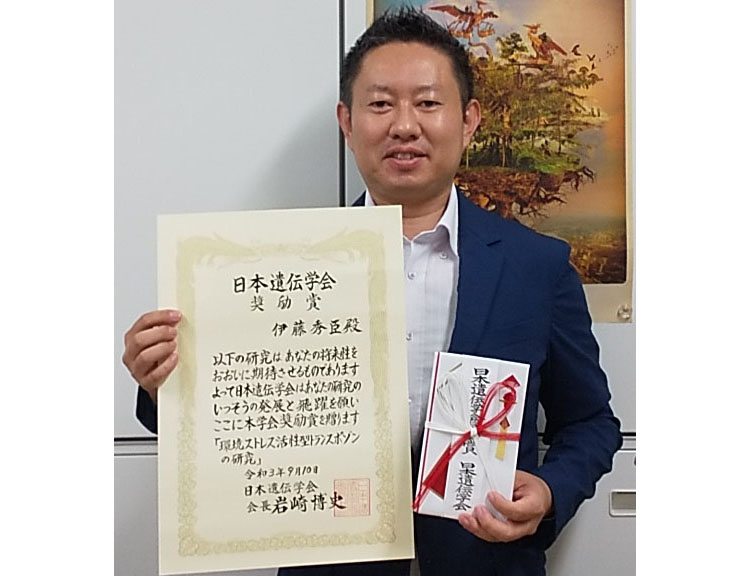
Researcher Information

ITO Hidetaka

Associate Professor

Transposon and genome evolution

Department of Biological Sciences, Cell Structure and Function
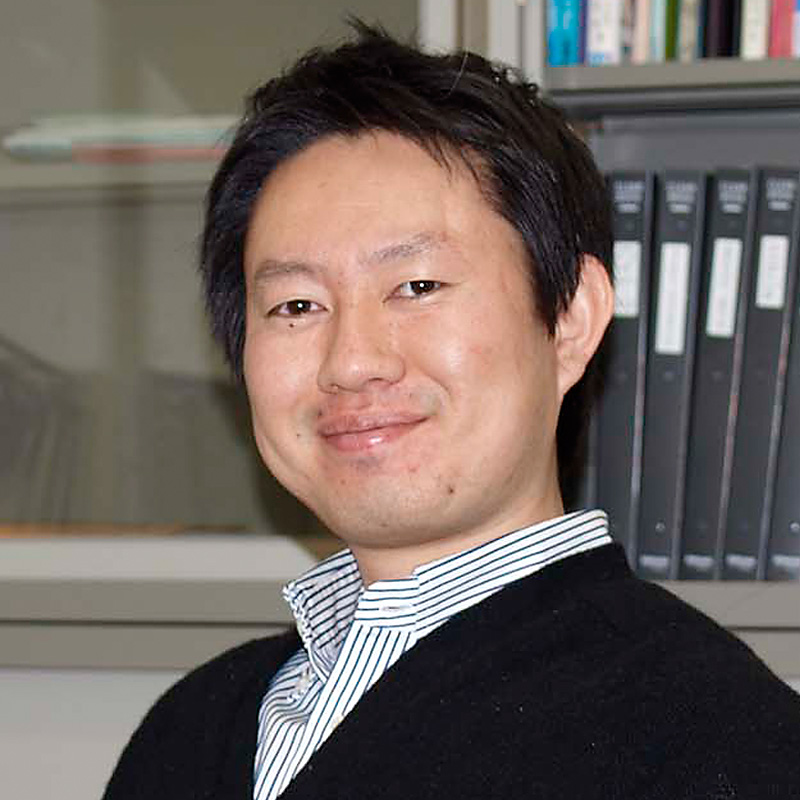
basic_photo_1
Theme

Regulation mechanism of transposons in plants

FieldMoleculaer genetics, plant physiology
KeywordTransposon, Environmental stress, Epigenetics

Introduction of Research

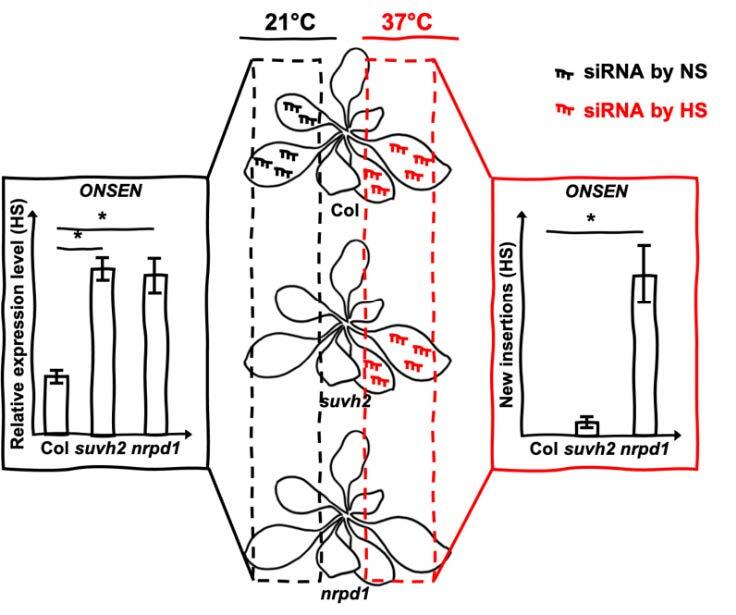
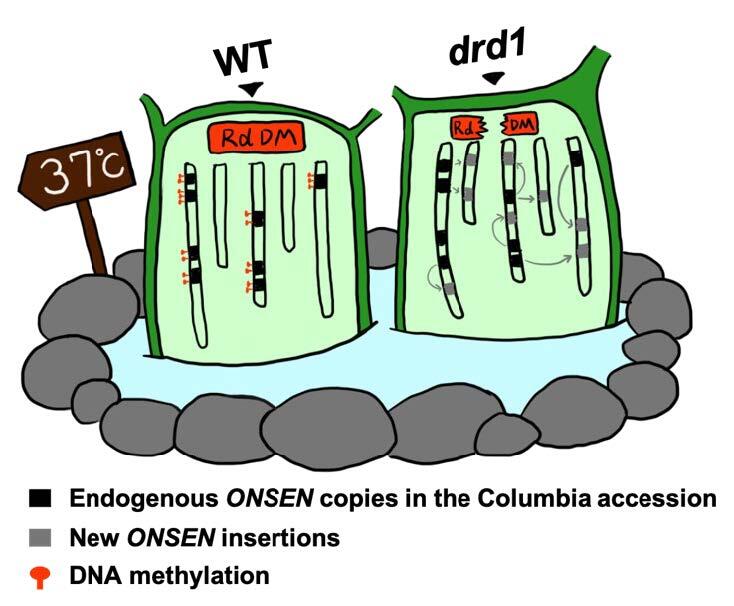
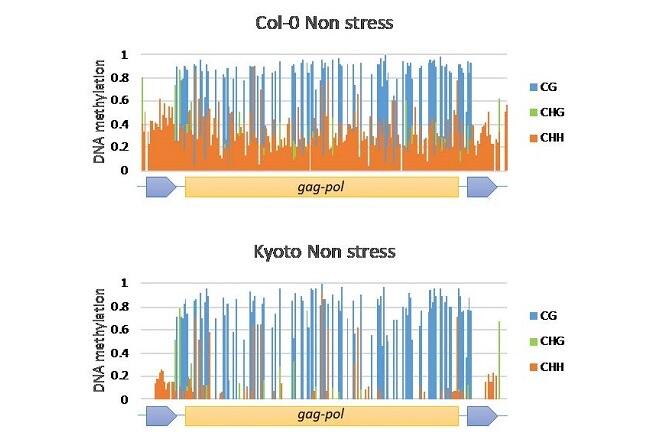
Transposons are one of the main elements in the genomes of many species. Transposon was first reported in plant and this finding was awarded a Nobel Prize in 1983. Transposons exist in almost all eukaryotes and we now know they are important elements on the genome. After complete genome sequencing, many interesting findings have been reported about the expressions and transpositions of transposons in several species. It is worth to mention that transpositions of transposons may become a powerful force to the genome evolution. Recently it has become clearer that they have several important biological functions. Some multicopy transposons within heterochromatic regions play a role in stabilizing genomes. It has also been reported that transposon insertions near genes can alter gene expression. Most of the transposons are silenced because of their methylated DNA and histone modifications. However, under specific conditions, transposons can be activated and transposed. My interest is how environment affects transposon activation in nature. I focus on the relationship between environmental stress and transposon regulation.
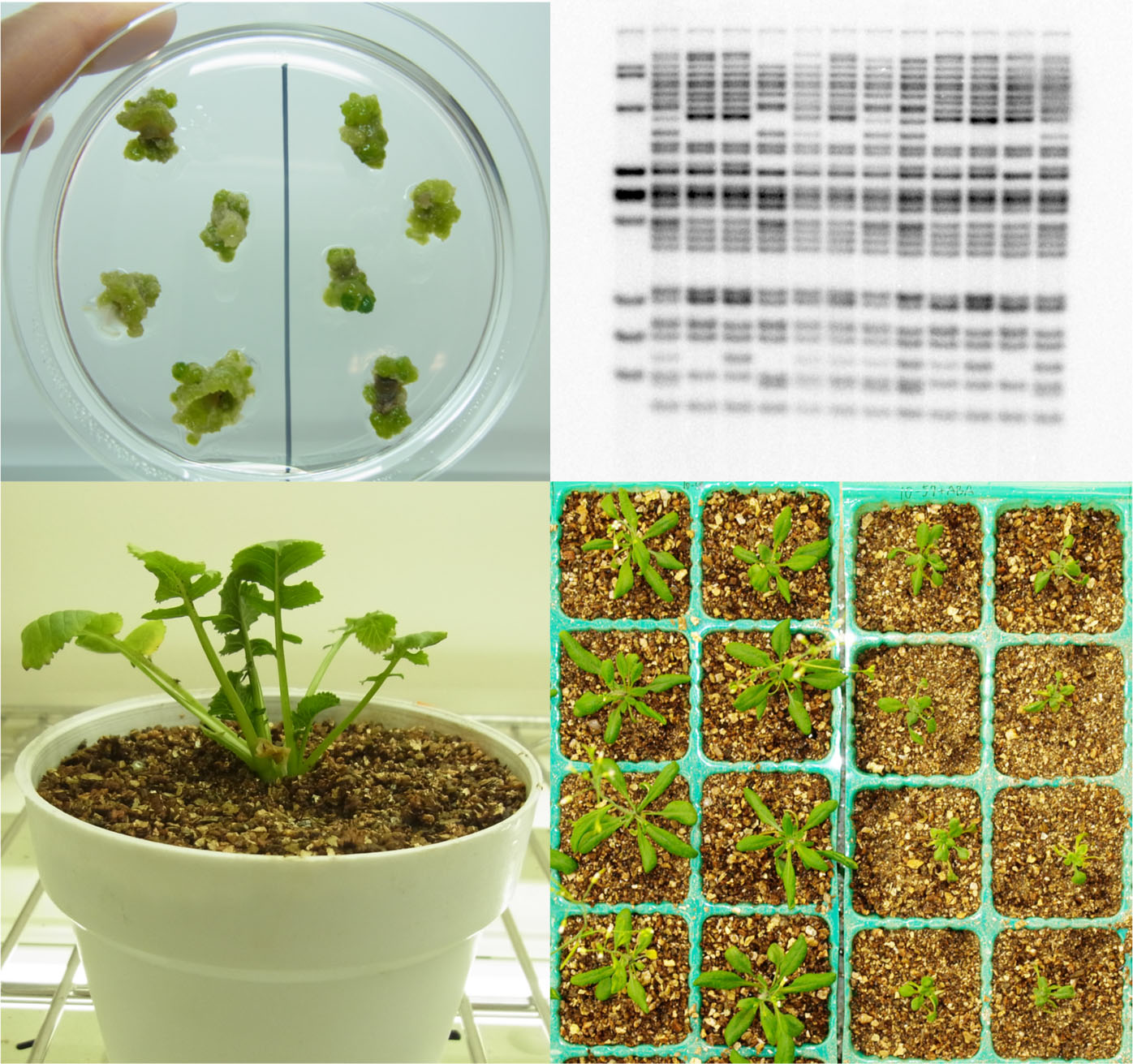
study-image-0
Our interest is how environment affects transposon activation in nature. I focus on the relationship between environmental stress and transposon regulation.

Representative Achievements
Ito H, Gaubert H, Bucher E, Mirouze M, Vaillant I, Paszkowski J: An siRNA pathway prevents transgenerational retrotransposition in plants subjected to stress. Nature. 472: 115-119 (2011).
Ito H, Kim JM, Matsunaga W, Saze H, Matsui A, Endo TA, Harukawa Y, Takagi H, Yaegashi H, Masuta Y, Masuda S, Ishida J, Tanaka M, Takahashi S, Morosawa T, Toyoda T, Kakutani T, Kato A, Seki M. A stress-Activated Transposon in Arabidopsis Induces transgenerational Abscisic Acid Insensitivity. Scientific Reports.
basic_photo_2
Academic degreePh.D.
Self Introduction

I like playing tennis and skiing.

Academic background• Ph.D. Agriculture (Kyoto University, JAPAN)
• Postdoctal Fellow (National Institute of Genetics, JAPAN)
• Postdoctal Fellow (University of Geneva, SWITZERLAND)
• Assistant Professor (Hokkaido University, JAPAN)
Affiliated academic societyTHE GENETICS SOCIETY OF JAPAN, The Japanese Society of Plant Physiologists, Japanese Society of Breeding
ProjectIntegrative system of autonomous environmental signal recognition and memorization for plant plasticity
Room addressScience Building 5 07-07

Department of Biological Sciences, Cell Structure and Function

ITO Hidetaka

Associate Professor

basic_photo_1
What is your dream that you want to achieve through your research?

My dream is to uncover the molecular mechanisms underlying how plants adapt to harsh environments and to apply this knowledge to stable food production under climate change. Although plants cannot move, they survive extreme heat and drought through sophisticated genetic strategies. I aim to translate this hidden survival wisdom into science that benefits society.

basic_photo_1
Please tell us what you think is good about your lab (staff, students, laboratory equipment, the number of papers published, etc.)

What I am most proud of in my lab is its highly international and student-centered research environment. Graduate students from diverse countries work together, using both English and Japanese daily. By combining genome analysis, gene expression studies, and advanced microscopy, students can freely develop and test their own scientific ideas.

basic_photo_1
Please tell us about yourself; things you are good at, your favorites, hobbies, and daily routines.

One of my strengths is developing new hypotheses and research directions based on experimental data. I also enjoy staying active: I play tennis in summer and go skiing in winter. Sharing these activities with students and colleagues is a great way to refresh my mind and often leads to new research ideas. My daily routine always begins with checking the progress of experiments.